How Snow Trails is Modernizing Its Legacy Snowmaking Fleet to Modern Polecat Technology
Snow Trails is a family-owned ski resort near Mansfield, Ohio, operating since 1961. The resort offers 21 trails, including the 2,200-foot Timberline trail, along with terrain parks and tubing.
Since 1986, Snow Trails has partnered with SMI Snow Makers in buying snowmaking equipment. Over roughly the past two decades, the resort has progressively transitioned from older Boyne/Highland snowmakers and other legacy equipment to newer SMI snowmaking technology. This demonstrates that a smaller, independent ski area can modernize a legacy system in practical, well-timed phases, allowing them to produce more snow in more marginal snowmaking temperatures.
The Challenge
Making the most of short, marginal windows
Snow Trails was looking to replace older mobile equipment in phases, improve snow quality, and make better use of short cold-weather windows.
Like many independent ski areas, Snow Trails needed a practical, scalable upgrade path. The goal is to improve energy and water efficiency, reduce labor during setup and shutdown, and create more snow during every available production window.
The Plan
A phased transition to modern SMI technology
Rather than replacing the entire system at once, the resort adopted a phased modernization strategy, transitioning to updated SMI technology as equipment reached the right point for replacement. The objective was to bring more efficient, higher-capacity snowmaking to key ski trails, terrain parks, and tubing areas.
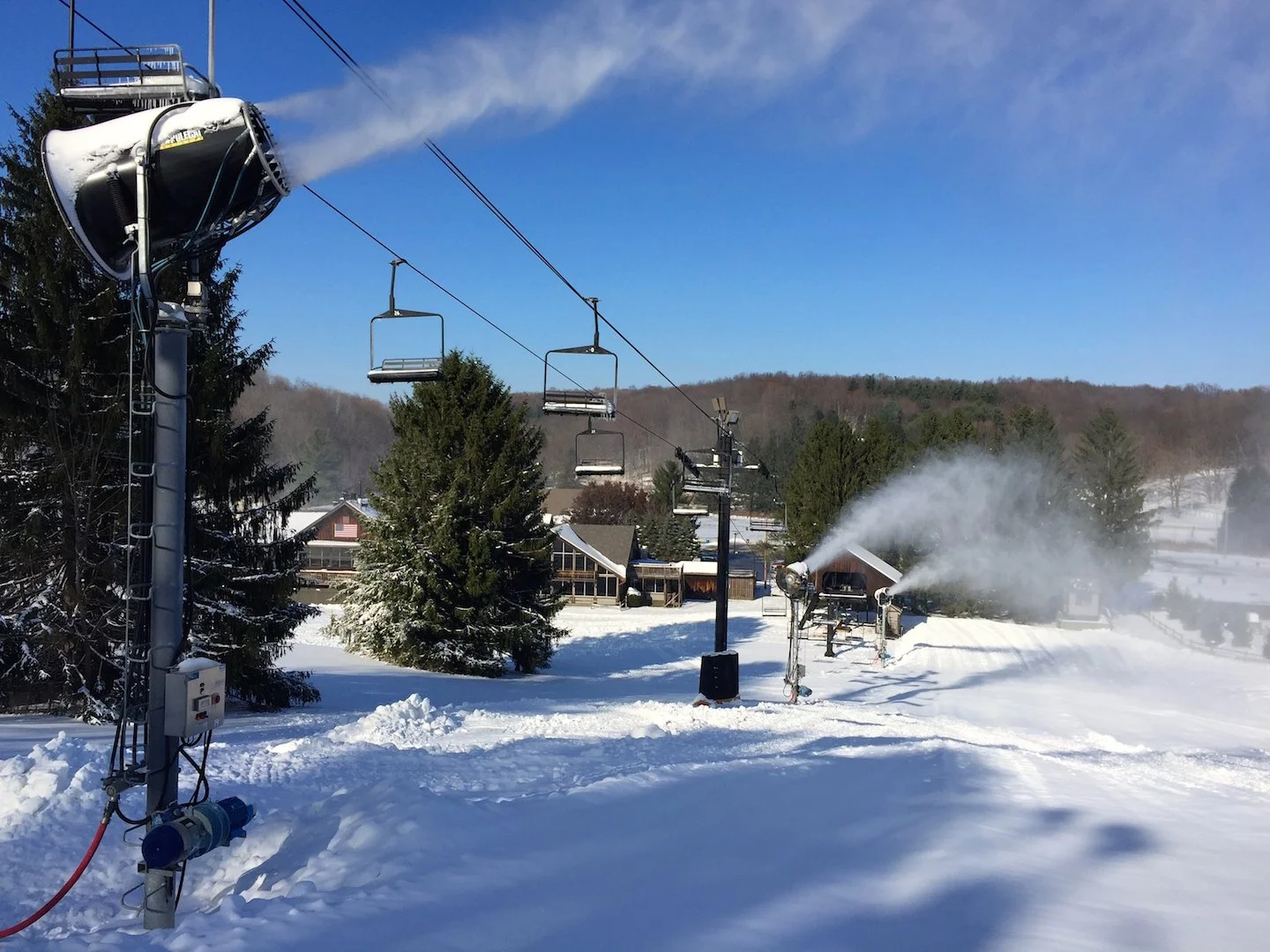
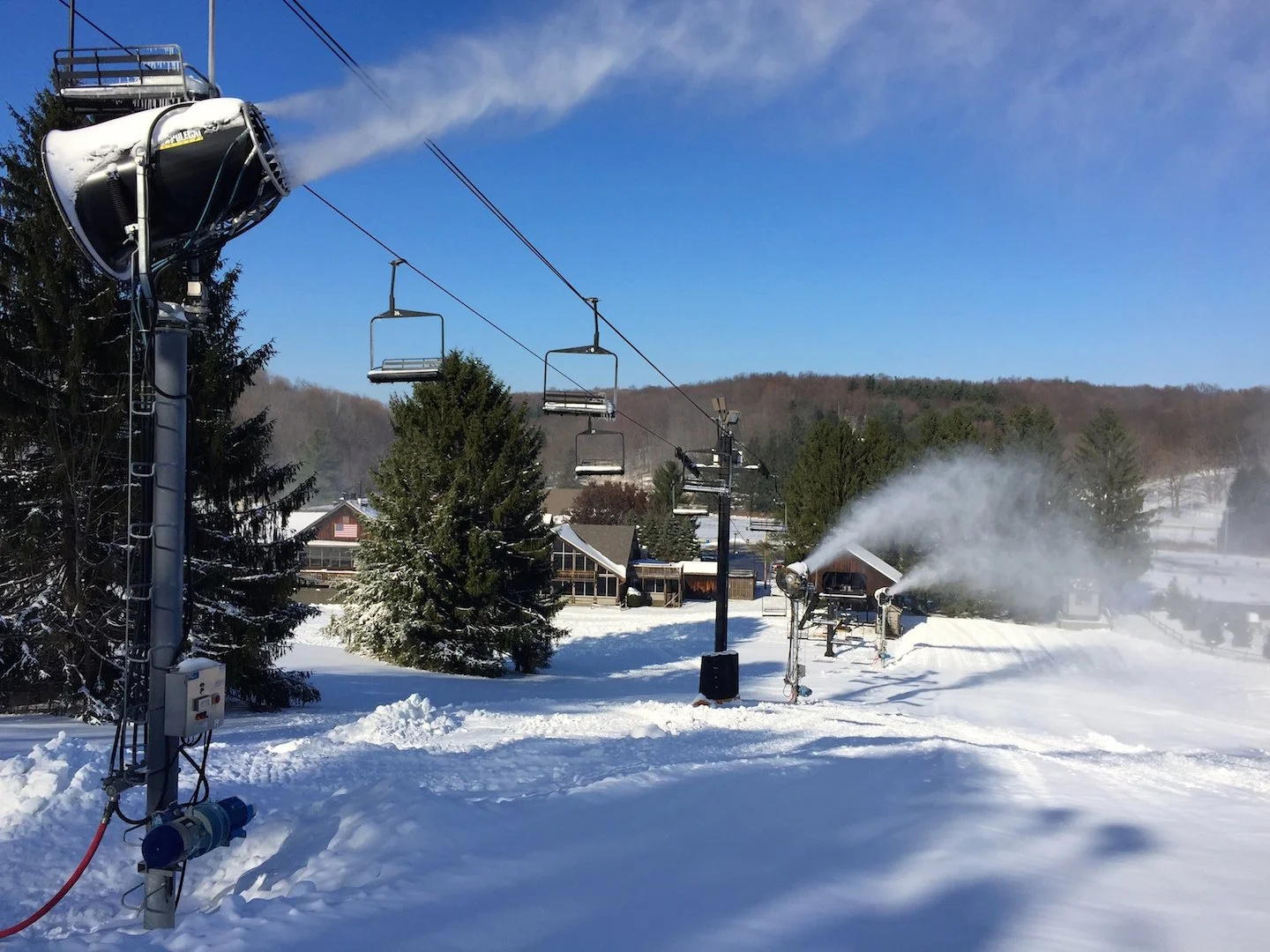
Modern SMI fan-gun technology helps Snow Trails produce more consistent snow while reducing power and water demands compared with older equipment. Fixed-position installations also give snow droplets more hang time to freeze before reaching the surface, supporting snow quality and production efficiency. Also, because the guns are fixed-position, crews spend less time moving equipment, setting up, starting, and shutting down production.
Long-Term Modernization
Transitioned from legacy Boyne and other older equipment to new SMI Polecat technology.
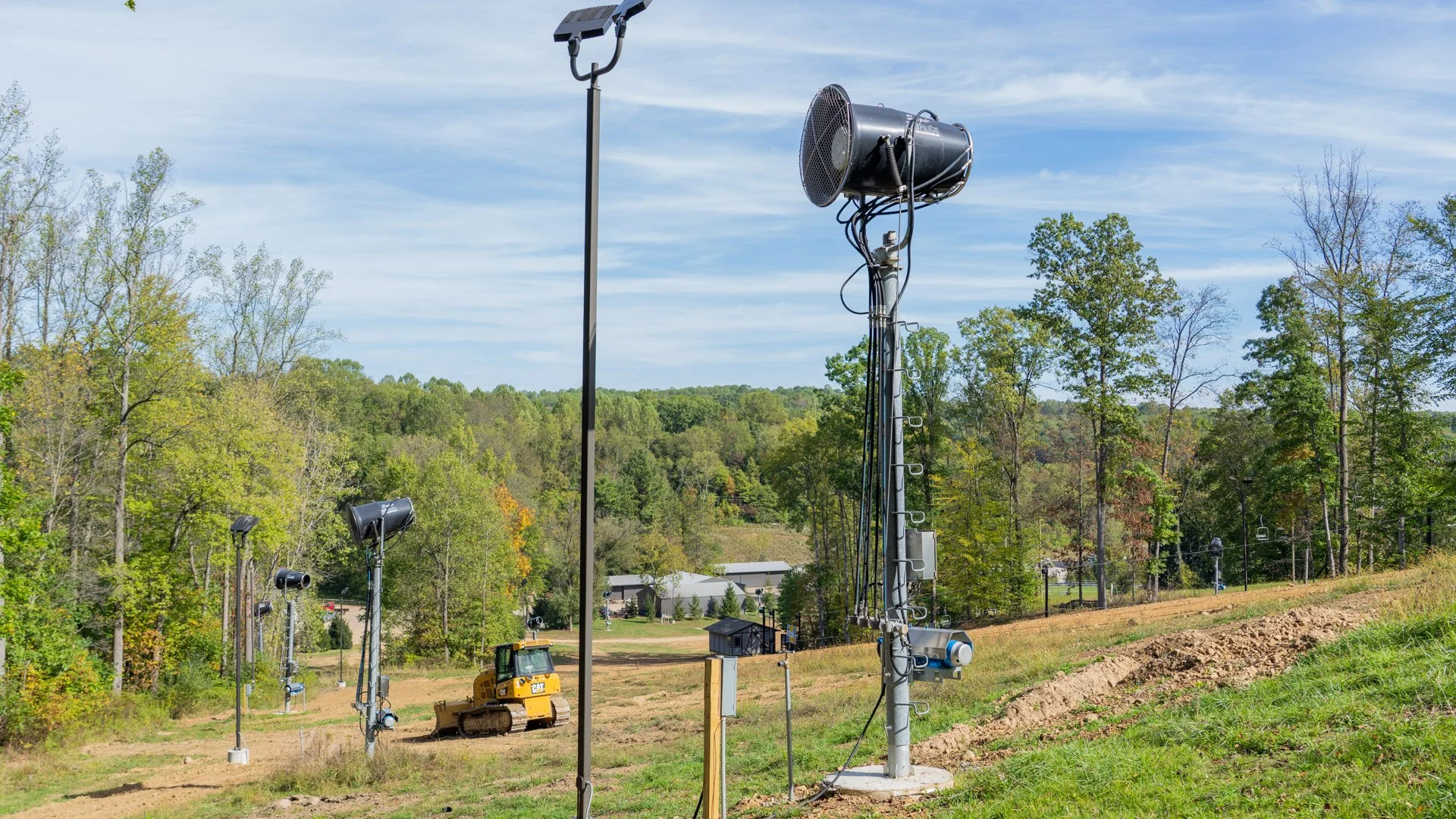
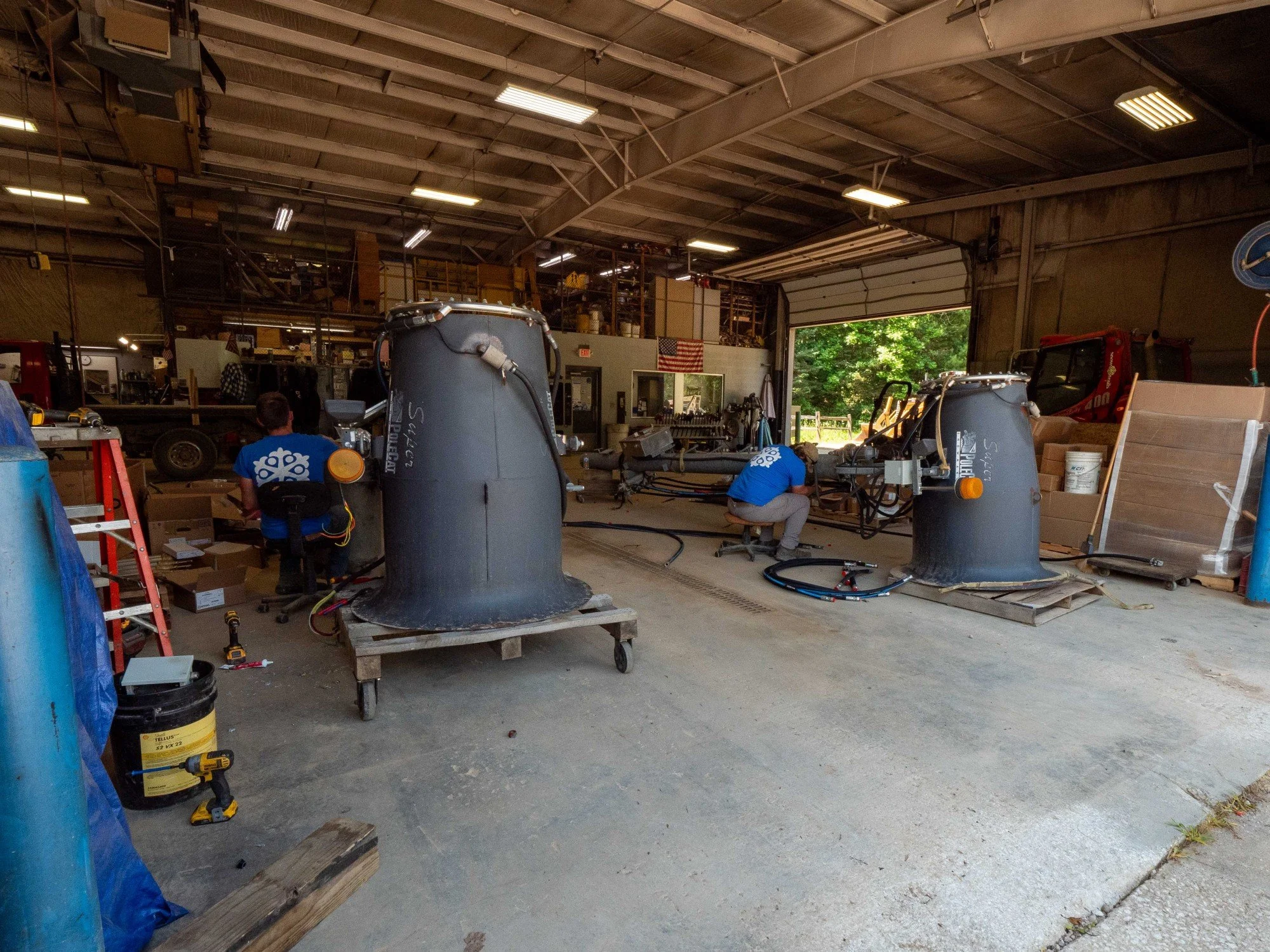
Installed fixed-position, tower-mounted SMI Super Polecat and Standard Polecat fan guns across ski trails, terrain parks, and tubing areas.
Used a phased replacement approach to improve system performance without requiring a full-system replacement in a single season.
Continued adopting updated SMI fan-gun technology as the system evolved.
Recent Upgrades
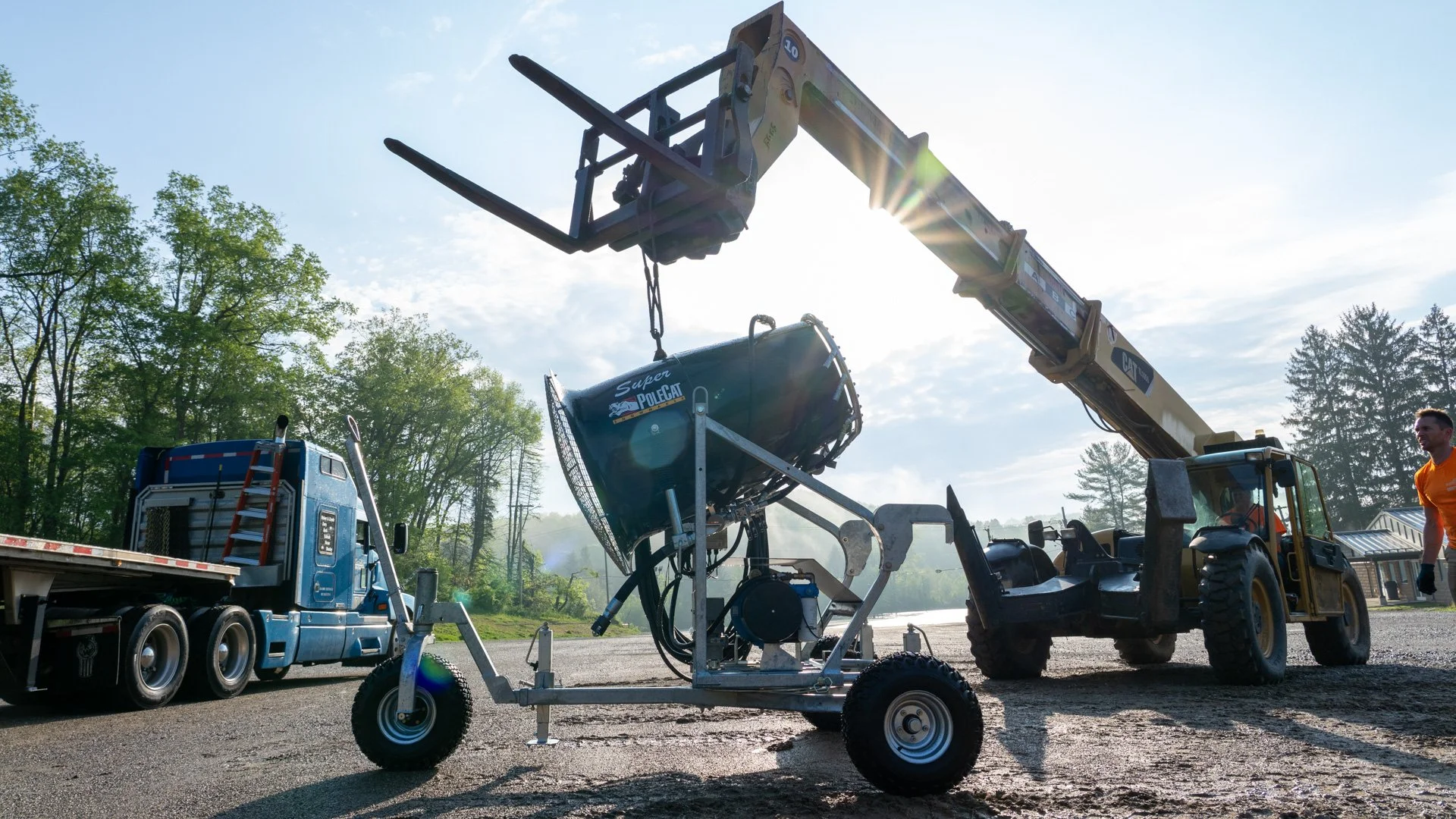
2024–25: Added nine SMI Super Polecat fan guns; seven tower-mounted and two mobile.
2025–26: Added five additional Super Polecats; four tower-mounted in The Woods Terrain Park and one mobile gun for the Tubing Park.
2025–26: Retrofitted 10 existing tower guns to maintain production efficiency and capacity.
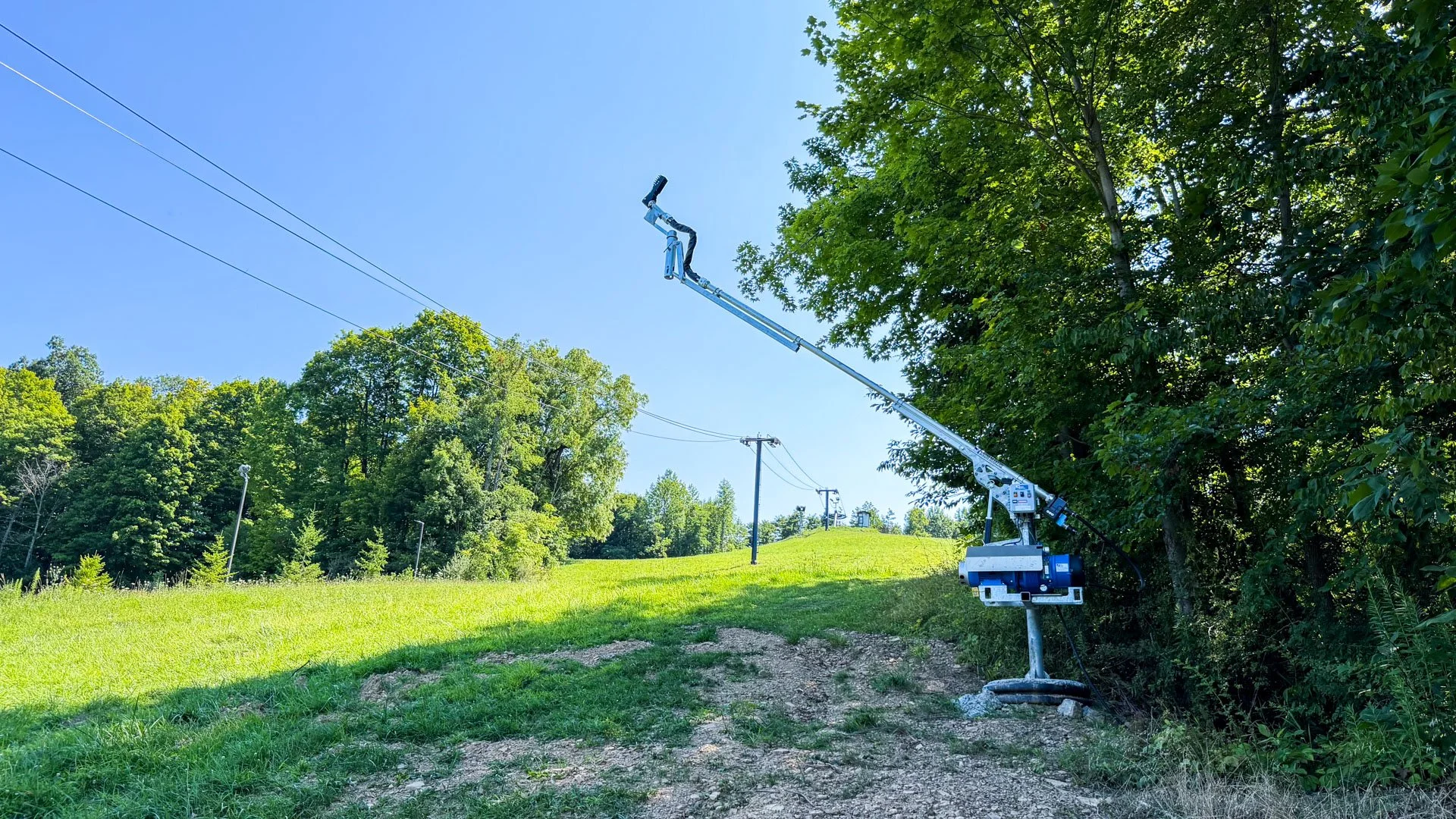
2026–27: Added two SMI Grizzly Stick towers with SMI’s new pivot-head design.
SMI’s ongoing equipment and technology development allows Snow Trails to modernize strategically over time.
In addition to new installations, retrofit and refurbishment options can update eligible legacy equipment while preserving existing towers, carriages, and other infrastructure investments, helping your resort add modern performance without replacing every component at once.
The Results
More productive snowmaking
The system lets Snow Trails turn short cold windows into meaningful snow coverage. At full snowmaking capacity, the resort can cover about six acres with a five-inch base in 24 hours at an average temperature of 25 degrees Fahrenheit and relative humidity below 65 percent. (snowtrails)
Snow Trails shows that a modern snowmaking system doesn’t have to be installed all at once. Through a long-term equipment partnership, fixed-position Polecat upgrades, targeted mobile capacity, retrofits, and continued advances in SMI technology, Snow Trails has steadily moved from legacy equipment toward a more productive, efficient, and resilient snowmaking operation.